
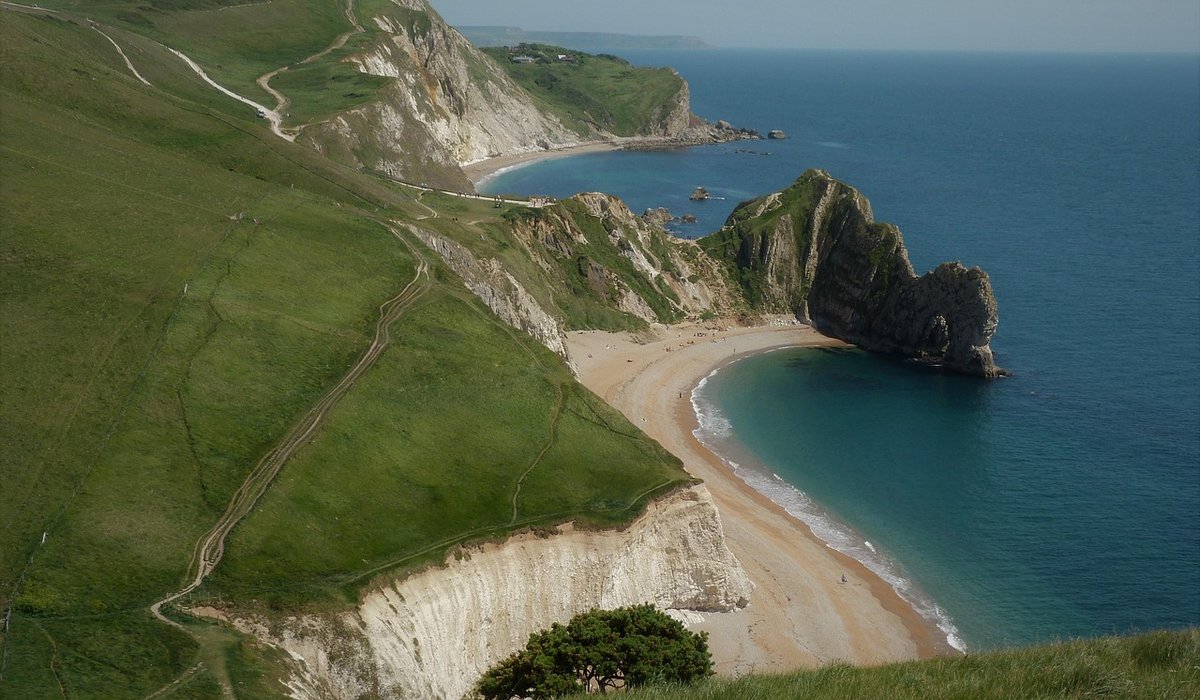
Quiet seaside towns for a relaxing weekend
Why the quiet coast makes a better weekend
A good seaside break is not measured by how much there is to do, but by how little you have to queue for. The towns worth seeking out tend to share a few things: a wide promenade with benches rather than arcades, a high street with a proper butcher and a bakery, and enough visitors to keep the cafés open without ever filling the car park. Swap the famous resorts for somewhere smaller and the weekend becomes cheaper, slower and far more restful.
The trade-off is real, and worth naming. Quiet towns have fewer late-night bars, patchier mobile signal, and a habit of closing the kitchen at nine. Go in expecting that, and the silence becomes the point rather than a disappointment.
Five towns worth the detour
None of these are secrets, but none of them are heaving either, and each works beautifully for two or three nights.
- Alnmouth, Northumberland — a cluster of pastel houses around a river mouth, with miles of empty sand over the dunes and the Coast Path running both ways.
- Aberdyfi, Gwynedd — a broad estuary, a proper little railway station on the Cambrian line, and dunes that swallow crowds whole within ten minutes' walk.
- Aldeburgh, Suffolk — shingle beach, fishermen's huts selling the morning's catch, and a high street that rewards a slow amble.
- Beer, Devon — a working fishing village of pebbles and steep white cliffs, with boats hauled up onto the beach and a couple of excellent pubs.
- Cullen, Moray — three arched viaducts, a rugged harbour and a beach that stays quiet even in August.
Where to sleep, and what it costs
This is where lesser-known towns quietly win. A double room in a family-run guesthouse on the quieter coast typically runs £85–£130 a night in summer, dropping to £65–£95 outside school holidays. For that you usually get a decent breakfast, a sea view if you ask early, and a host who will tell you exactly which beach the wind is blowing out.
A few things worth knowing before you book:
- Small guesthouses often have a two-night minimum at weekends, and self-catering cottages frequently want three in high season.
- Ask about parking. Some places have a space per room; others rely on free on-street bays that fill by mid-morning.
- Pubs with rooms are often better value than hotels and put you within walking distance of dinner.
- Book direct where you can — you will usually get a better rate and more flexibility than through a booking site.
Eating well without a reservation
Independent cafés, delis and bakeries are the backbone of a quiet seaside weekend. Expect crab sandwiches, smoked fish, generous breakfasts, decent coffee and an ice cream counter that has been in the same family for decades. Prices are typically gentler than in the big resorts: a cooked breakfast for around £10–£12, a pub main for £14–£18.
Two practical habits will save you trouble. First, book the pub for Saturday night — there may only be one or two worth eating in, and locals fill them early in the week. Second, check opening days before you set your heart on somewhere. Out of season, a much-loved café may open Wednesday to Sunday only, and the fishmonger will sell out by noon.
Slow things to do
The pleasure of these towns is that the itinerary writes itself. Walk the promenade before breakfast while it belongs to dog walkers and one determined swimmer. Follow a stretch of the coast path to the next bay, then come back on the inland lane past a churchyard and a field of sheep. Take a book to a bench and stay longer than you meant to.
If you want a little more structure, look for:
- A harbour wall at high tide, which is where everyone gathers and nobody says much.
- A local museum — usually free or a couple of pounds, and unexpectedly good on shipwrecks and smuggling.
- A tidal or estuarine swim, only with local knowledge and a tide table. Strong currents near river mouths are not a joke.
- An evening walk west to catch the sunset over the water, which is the one appointment worth keeping.
Timing your trip
Late May, June and September are the sweet spots: warm enough for the beach, quiet enough to park. July and August are still calmer here than at the well-known resorts, but expect higher prices and busier Saturdays.
Fridays are the quietest arrival day; Sunday afternoons bring a wave of day-trippers that clears by teatime. Check tide times before planning any beach day, take cash or a card for the odd coin-only car park, and pack a windproof layer — on this coast the weather changes its mind every hour, and that is half the charm.
tag: Seaside Towns

Harriet Penrose Author
Browse independent shops in seaside villages for local art, handmade gifts and fresh produce that support small coastal communities.
YOU MAY ALSO LIKE
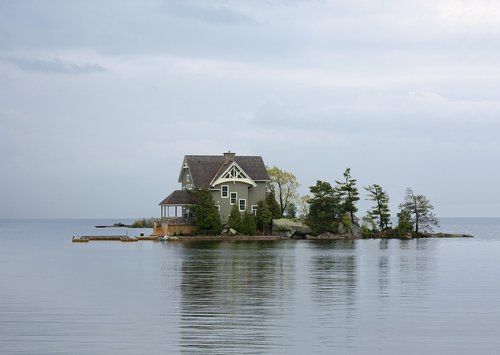
Visiting independent shops in seaside villages
Aug 15
10Discover the charm of traditional piers and promenades, from penny arcades to ice cream kiosks, perfect for a nostalgic afternoon by the sea.
read more
A guide to traditional seaside piers and promenades
Aug 9
10Learn where and when to see puffins on Scottish islands, with responsible viewing tips that protect these colourful seabirds and their colonies.
read moreIsland Guides
-

ERRIC CATONA
Plan a wildlife-watching trip to the Farne Islands, home to seals, seabirds and dramatic scenery, with advice on boat trips.
May 19, 2016 at 5.12 pm
Reply
ERRIC CATONA
Explore birdwatching spots along the Norfolk coast, from marsh harriers to wintering geese, and learn how to watch without disturbing habitats.
May 19, 2016 at 5.12 pm
Reply -
ERRIC CATONA
Find fresh seafood in Cornish harbours, from crab sandwiches to grilled mackerel, and learn what to look for in a good coastal chippy.
May 19, 2016 at 5.12 pm
Reply
Coastal Walks
Your email address will not be published.