
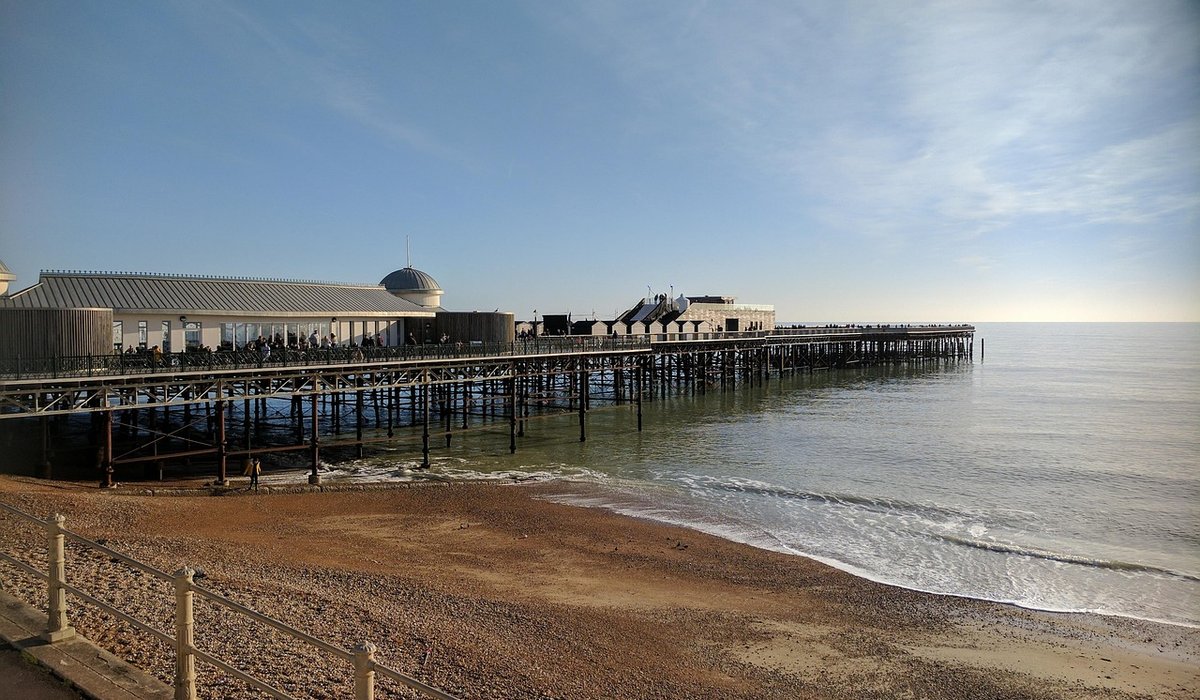
A guide to traditional seaside piers and promenades
The enduring appeal of a British seaside day out
There is something quietly magical about a traditional British seaside town. The smell of vinegar-soaked chips, the clatter of a penny arcade, the creak of deckchairs being unfolded on a breezy morning — these small rituals have barely changed in a century. While foreign holidays and budget flights have reshaped how we travel, the pier and the promenade have held their ground. They remain one of the great democratic pleasures of British life: somewhere you can spend an afternoon, or indeed an entire day, without spending very much at all.
If you are planning a coastal escape this year, it pays to seek out the towns that still honour these traditions. A little local knowledge goes a long way, so here is a practical guide to making the most of it.
Why the Victorian pier still matters
Most traditional piers date from the Victorian and Edwardian eras, when railways suddenly made the coast accessible to working families and a stroll out over the waves became the height of fashion. The engineering is remarkable — cast iron pilings, timber decking, and a pavilion at the far end that has hosted everything from brass bands to end-of-pier theatre. Not all have survived; storms and fires have claimed a number, and a handful have been rescued by dedicated local trusts. When you walk on a pier today, you are walking on a piece of living industrial history.
The pleasure of a pier is deliberately simple. You walk out, you look back at the town, you look down at the water, and then you walk back. Everything else — the arcade, the doughnuts, the souvenir shop — is a bonus.
What to do on the pier itself
A good pier rewards slow exploration rather than a brisk march to the end. Allow yourself a couple of hours and let the place unfold.
- Try the penny arcade. Even if the machines now take 20p or 50p, the format is unchanged: crane grabs, penny pushers, fortune tellers and a mechanical racing game that has been fleecing punters since the 1930s. Take a handful of coins and set yourself a strict limit.
- Buy a bag of doughnuts. The hot, sugar-dusted variety, served in a paper bag, still tastes better than anything from a supermarket. Eat them immediately, ideally while leaning on a railing.
- Check the end-of-pier theatre. Many surviving pavilions host summer shows, tribute acts and children's entertainment. Booking ahead is wise in July and August.
- Look for the anglers. If fishing is permitted, you will often find locals with rods over the rail. They are usually happy to chat about what is biting.
- Watch the weather. Piers are exposed. A jacket is never wasted, even in high summer, and the wind at the seaward end can be bracing.
Strolling the promenade like a local
The promenade is the pier's fraternal twin: a broad, flat stretch of seafront designed for exactly the kind of aimless, agreeable wandering that modern life so rarely permits. Most were built in the same period and follow the same pattern — a sea wall, a railing, some municipal planting, and a row of benches facing the water. The benches are the point. Sit on one for twenty minutes and you will see the whole town pass by.
Look out for the details that distinguish one promenade from another. Some have ornate Victorian shelters with wrought-iron roofs. Others have stepped terraces, Italianate gardens, or a bandstand that still hosts Sunday concerts. A few have those wonderful painted beach huts, available to hire by the day and worth booking well in advance during school holidays.
If you are walking with children, the classic promenade entertainments still deliver: crazy golf, a land train, deckchair hire, and the inevitable ice cream kiosk with a queue snaking round the corner. Cash is still useful in many of these places, though most now take cards.
Eating and drinking by the sea
Seaside food in Britain has improved enormously in the last twenty years, but the old staples remain the best value.
- Fish and chips eaten outdoors, straight from the wrapper, with far too much salt and vinegar. Ask a local which shop is best — it is rarely the one with the biggest sign.
- Ice cream in a wafer cone, ideally from a family-run kiosk that has been there for decades. Look for clotted cream varieties in the West Country.
- A pot of tea in a seafront café, preferably one with Formica tables and a laminated menu.
- Shellfish if you are somewhere with a fishing fleet — whelks, cockles and prawns are traditional and inexpensive.
Do check tide times before planning a beach picnic, and be aware that some promenade cafés close early outside peak season.
Practical tips for a nostalgic seaside afternoon
A little planning makes all the difference, particularly if you are travelling by train or visiting out of season.
- Go early or late. Mid-morning and late afternoon are quieter and the light is better for photographs.
- Check the tide table. A pier is fine at any state of tide, but the beach beneath it may not be.
- Pack layers. Coastal weather changes fast, and sea breezes can drop the temperature several degrees.
- Bring change. Arcades, deckchair hire and some kiosks still prefer coins.
- Consider a weekday. Weekend car parks fill quickly in summer, and train fares are often cheaper off-peak.
- Support the local trust. Many piers rely on donations and visitor income to cover maintenance. Buying a coffee or a raffle ticket genuinely helps.
Above all, resist the urge to treat it as a checklist. The best seaside afternoons are the unhurried ones — a slow walk out along the boards, a cone of chips, a bench with a view, and nowhere else you need to be.
tag: Seaside Towns

James Ashworth Author
Learn where and when to see puffins on Scottish islands, with responsible viewing tips that protect these colourful seabirds and their colonies.
YOU MAY ALSO LIKE

A guide to spotting puffins on Scottish islands
Aug 4
10Plan a wildlife-watching trip to the Farne Islands, home to seals, seabirds and dramatic scenery, with advice on boat trips.
read more
Wildlife watching on the Farne Islands
Jul 29
10Explore birdwatching spots along the Norfolk coast, from marsh harriers to wintering geese, and learn how to watch without disturbing habitats.
read moreIsland Guides
-

ERRIC CATONA
Find fresh seafood in Cornish harbours, from crab sandwiches to grilled mackerel, and learn what to look for in a good coastal chippy.
May 19, 2016 at 5.12 pm
Reply
ERRIC CATONA
Enjoy local crab and lobster on the coast, with tips on seasonal shellfish, sustainable choices and the best ways to serve them.
May 19, 2016 at 5.12 pm
Reply -
ERRIC CATONA
Seek out the best cream teas by the sea, where warm scones, clotted cream and jam make a classic British coastal treat.
May 19, 2016 at 5.12 pm
Reply
Coastal Walks
Your email address will not be published.