
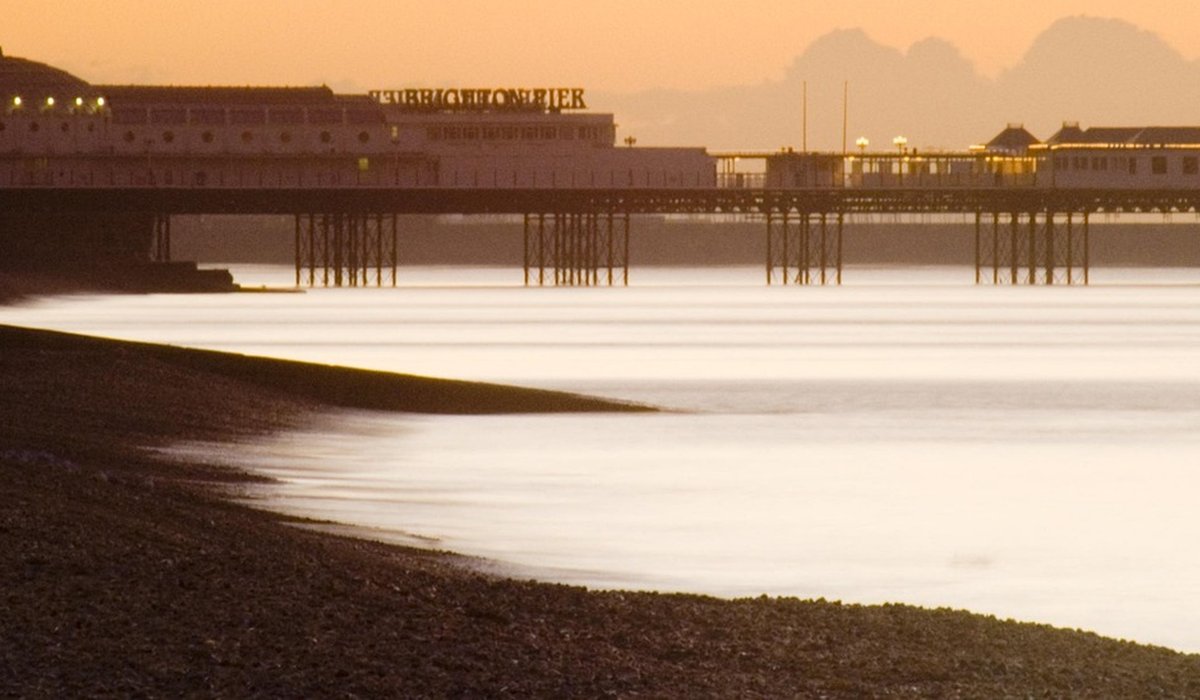
Wildlife watching on the Farne Islands
Why the Farne Islands Belong on Your Wildlife List
Scattered a couple of miles off the Northumberland coast between Seahouses and Bamburgh, the Farne Islands are one of Britain's great wildlife spectacles. This isn't a manicured nature reserve with tarmac paths and tea rooms — it's a ragged archipelago of around 20 islands and rocky outcrops, pounded by the North Sea and absolutely heaving with life during the breeding season.
Depending on the tide, between 15 and 28 islands show themselves above the water. Only a handful are ever open to visitors, and some are closed entirely at the height of the season to protect nesting birds. That sense of fragile, carefully rationed access is part of the appeal. You don't simply turn up and wander; you arrive by boat, you land briefly, you tread carefully, and you leave feeling you've been let in on something rare.
When to Go: A Season by Season Guide
Timing matters enormously here, because what you see changes dramatically through the year.
- April to early May: Puffins return to shore, razorbills and guillemots crowd the cliffs, and the islands start to fill up. Weather can still be brisk and boat sailings are more prone to cancellation.
- Mid-May to mid-July: Peak season. Puffins are at their most obliging, Arctic terns are dive-bombing anyone who wanders too close, and seal pups from the previous autumn are now chunky, curious adolescents in the water.
- Late July to August: Puffins head back out to sea, but the cliffs remain busy with guillemot and kittiwake chicks. The islands feel slightly quieter, which some visitors prefer.
- September to October: Grey seals begin pupping on the outer islands. Boats keep running in good weather and the colonies are spectacular, though landing is often restricted.
- November to March: Largely a closed season for landings, but round-island trips can still run on calm days, and winter brings a raw, dramatic beauty all of its own.
Choosing a Boat Trip from Seahouses
Almost all visitor boats leave from Seahouses harbour, which is the practical base for any Farne Islands trip. Book ahead in peak season — July and August sailings sell out days in advance — and be prepared to be flexible, because crossings are weather-dependent and cancelled at short notice.
There are broadly two options. A round-island cruise lasts around two to two and a half hours and stays on the water, getting you close to the cliffs, the seal colonies and the bird rafts without landing. A landing trip adds around an hour ashore, usually on Inner Farne or Staple Island, and is the one to choose if you want to walk among the nesting birds. Landing trips cost more and run less frequently.
Boats are sturdy but small, and the crossing can be bouncy even on a pleasant day. If you're prone to seasickness, take precautions before you board rather than after.
What You'll Actually See
The numbers are staggering. Tens of thousands of seabirds nest here each summer, and the noise and smell on a landing trip are unforgettable in the best possible way.
- Puffins: Around 40,000 pairs at their peak, though counts vary year to year. Best seen between May and mid-July, often waddling within a few feet of the paths.
- Arctic terns: Beautiful, aggressive, and utterly fearless. They will dive at your head if you stray near a nest. Wear a hat.
- Guillemots and razorbills: Packed shoulder to shoulder on the cliff ledges, plunging into the sea in unison.
- Grey seals: Around 2,000 pups are born each autumn, and throughout the year seals haul out on the rocks or bob inquisitively beside the boats.
- Kittiwakes, shags, eiders and cormorants: All present in good numbers, along with the occasional peregrine falcon patrolling overhead.
Practical Advice for the Day
Wear sturdy shoes with grip — landing stages can be slick with seaweed and bird droppings. Bring waterproofs regardless of the forecast, since conditions offshore are always cooler and windier than on land. A hat isn't just for sun; it's genuine protection against tern attacks.
Keep your distance from nesting birds and never handle a chick, even one that appears abandoned. Binoculars transform the experience, and a lens cloth is essential given the volume of guano in the air. Leave the drone at home — it isn't welcome and will disturb the colonies.
Allow a full day in Seahouses, including contingency time for a delayed sailing, and check tide and weather forecasts the evening before.
Making a Coastal Escape of It
The Farne Islands work beautifully as part of a longer Northumberland break. Bamburgh Castle looms over a vast sandy beach a few miles north, and the village itself makes a fine base for a couple of nights. Walkers can pick up stretches of the Northumberland Coast Path, while birdwatchers often head onwards to Budle Bay or the mudflats around Lindisfarne, where the waders are superb in winter.
Time your trip outside the school holidays if you possibly can, book your boat early, and give yourself a spare morning for the weather. Do that, and the Farnes will deliver one of the most memorable wildlife days Britain has to offer.
tag: Wildlife Spots

Eleanor Whitcombe Author
Explore birdwatching spots along the Norfolk coast, from marsh harriers to wintering geese, and learn how to watch without disturbing habitats.
YOU MAY ALSO LIKE
A guide to birdwatching along the Norfolk coast
Jul 23
10Find fresh seafood in Cornish harbours, from crab sandwiches to grilled mackerel, and learn what to look for in a good coastal chippy.
read more
Where to eat fresh seafood in Cornish harbours
Jul 19
10Enjoy local crab and lobster on the coast, with tips on seasonal shellfish, sustainable choices and the best ways to serve them.
read moreIsland Guides
-

ERRIC CATONA
Seek out the best cream teas by the sea, where warm scones, clotted cream and jam make a classic British coastal treat.
May 19, 2016 at 5.12 pm
Reply
ERRIC CATONA
Pack smart for a British island holiday with layers, waterproofs, sturdy shoes and a day bag for changeable coastal weather.
May 19, 2016 at 5.12 pm
Reply -
ERRIC CATONA
Choose waterproof clothing for coastal hikes by checking breathability, hood design and packability, so you stay dry on blustery days.
May 19, 2016 at 5.12 pm
Reply
Coastal Walks
Your email address will not be published.